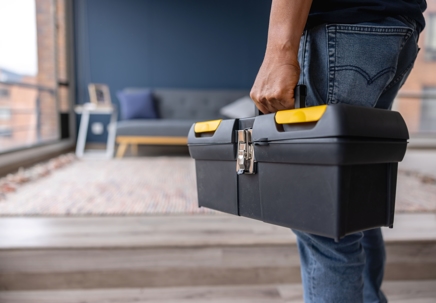
Delayed repairs are one of the most common and frustrating issues tenants face. What starts as a minor problem can quickly become a serious health or safety concern when a landlord fails to act. Knowing what steps to take — and what mistakes to avoid — can help protect your rights and strengthen your position if legal action becomes necessary.
If your landlord is ignoring or repeatedly postponing repairs, how you respond matters.
What You Should Do When Repairs Are Delayed
The first and most important step is to notify your landlord in writing. Even if you initially reported the issue verbally, follow up with an email, letter, or maintenance request through a tenant portal. Written communication creates a record that the landlord was aware of the problem.
Be specific in your description. Clearly explain what the issue is, when it started, and how it affects your living conditions. If the problem impacts health or safety, make that clear as well.
You should also document the condition. Take photos or videos showing the problem and keep copies of all communication with your landlord. If the issue worsens over time, continue documenting changes. This evidence can be critical if your landlord later claims they were unaware or that the issue was minor.
Allow a reasonable amount of time for repairs to be made. What is reasonable can depend on the nature of the problem. Issues involving water, electricity, heat, or structural safety generally require faster attention than cosmetic repairs.
What You Should Not Do
When repairs drag on, it can be tempting to take matters into your own hands. However, certain actions can unintentionally harm your case.
Do not stop paying rent without understanding your legal rights. Withholding rent improperly can expose tenants to serious consequences. Laws around rent withholding are specific and must be followed carefully.
Avoid making major repairs yourself without proper authorization. While small, temporary fixes may seem harmless, significant repairs can lead to disputes about responsibility or reimbursement.
Do not ignore the issue or assume it will resolve on its own. Continued silence can weaken your position later, especially if a landlord argues they were never properly notified.
Finally, avoid confrontational or hostile communication. Keeping your interactions professional and documented helps maintain credibility and clarity.
Why Repair Delays Can Become Legal Issues
Landlords have a legal duty to maintain rental units in a safe and habitable condition. When they fail to address serious repair issues after being notified, it can amount to a violation of tenant rights.
Problems like water damage, mold, electrical issues, pest infestations, or lack of essential services are not just inconveniences. Over time, they can pose real health risks and make a home unsafe to live in.
Repeated delays, temporary fixes that do not solve the problem, or complete inaction may indicate landlord negligence rather than oversight.
When to Seek Legal Guidance
If repair delays continue despite proper notice and documentation, it may be time to seek legal advice. An experienced tenant rights attorney can help evaluate whether your landlord’s actions violate habitability laws and what options may be available to you.
Legal guidance can also help tenants avoid missteps and understand how to protect themselves while the issue is ongoing.
Los Angeles Tenant Rights Lawyer
Repairs that take too long or never happen should not be accepted as normal. Tenants have rights, and landlords have obligations. Taking the right steps early can make a significant difference in how the situation is resolved.
Riley | Ersoff | Rodas LLP exclusively represents tenants and focuses on holding landlords accountable for unsafe and substandard housing conditions. If your landlord is failing to make necessary repairs, contact our team at (888) 658-9695 to learn how we may be able to help protect your rights.