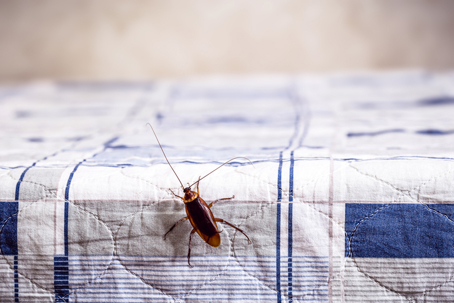
Finding a cockroach in your rental home can be unsettling. Finding them repeatedly in your kitchen, bathroom, bedroom, or other areas of the property is an entirely different problem. When cockroaches persist despite your efforts to keep your home clean, the issue may involve more than just an occasional pest. It may point to conditions within the building that require the landlord’s attention.
California tenants have the right to live in housing that meets basic health and safety standards. When a landlord knows about an infestation and does not take reasonable steps to address it, tenants may have legal concerns worth exploring. Riley | Ersoff | Rodas LLP represents tenants experiencing unsafe and unhealthy housing conditions, including severe cockroach infestations. (Riley | Ersoff | Rodas LLP)
When Cockroaches Become More Than a Household Nuisance
Cockroaches can enter many types of buildings, but an ongoing infestation can be difficult to control without addressing the conditions that allow them to persist. Leaks, moisture, cracks, holes, food sources, damaged walls, and other building conditions can contribute to pest problems.
In a multi-unit property, the source may extend beyond a single apartment. Cockroaches can move through shared walls, utility spaces, and other areas of a building. That can make a recurring infestation particularly frustrating for tenants who repeatedly clean their apartment only to find the problem returning.
A tenant should not automatically be blamed simply because cockroaches are present in a rental property. Determining responsibility requires examining the circumstances surrounding the infestation, including the condition of the property, whether the landlord knew about the problem, and what steps were taken after it was reported.
What Is a Landlord Expected to Do?
California’s habitability requirements generally require landlords to maintain rental housing in a condition that is fit for people to live in. Pest infestations can become a habitability concern when they create conditions that threaten a tenant’s health or safety. California Civil Code Section 1941.1 addresses minimum habitability standards, including conditions involving vermin. (Riley | Ersoff | Rodas LLP)
When a landlord receives notice of a serious cockroach problem, the response matters. A quick spray that does not address the underlying infestation may not resolve the situation. Depending on the circumstances, effective treatment may require professional pest control, inspection of affected areas, repairs to openings or leaks, and attention to other units or shared portions of the property.
The goal should be more than making the cockroaches temporarily disappear. If the conditions that allowed the infestation to develop remain, the problem can return.
Why Documentation Can Matter
If you are dealing with cockroaches in your rental home, keep records of what is happening. Photographs and videos can help show the condition of the property. You should also consider keeping copies of messages, emails, maintenance requests, notices, pest-control records, and other communications with your landlord or property manager.
Write down when you first noticed the problem and when you reported it. Keep track of repeated sightings and the areas where you find cockroaches or evidence of an infestation. If repairs or pest-control visits occur, document those as well.
You should also preserve records of property damage or expenses associated with the infestation. Depending on the circumstances of a particular case, these records may help establish how the problem affected you and your household.
What If Your Landlord Blames You?
Some tenants are told that an infestation is their fault or that they simply need to clean more thoroughly. While tenants have responsibilities under their rental agreements and California law, a landlord’s accusation does not automatically determine who is responsible for an infestation.
The property’s physical condition, maintenance history, surrounding units, plumbing or moisture problems, and the landlord’s response may all be relevant. If you have repeatedly reported the problem and the landlord continues to dismiss your concerns, it may be time to understand your legal options.
Tenants should also be cautious about taking significant steps such as withholding rent, moving out, or paying for extensive repairs themselves without first understanding the legal requirements that may apply. California tenant law can be fact-specific, and the wrong step can create additional complications.
When Should You Talk to a Tenant Rights Attorney?
You do not have to wait until a cockroach infestation has completely taken over your home before asking about your rights. If you have reported a serious infestation and your landlord has ignored the problem, provided ineffective treatment, blamed you without addressing the underlying conditions, or allowed the situation to continue, speaking with an attorney may help you understand your options.
Riley | Ersoff | Rodas LLP focuses on representing tenants in California and takes on cases involving unsafe housing and serious pest infestations. If your landlord has failed to address a cockroach infestation in your rental home, contact Riley | Ersoff | Rodas LLP at (888) 658-9695 to discuss your situation and learn more about your legal options.