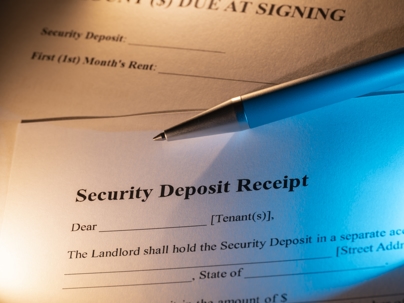
A security deposit is meant to protect landlords from damage beyond normal wear and tear. It is not extra income or a convenience fee. Yet many tenants are surprised when their deposit is delayed, reduced without explanation, or not returned at all. Understanding your rights and the proper steps to take can help you protect your money and hold landlords accountable.
What a Security Deposit Can and Cannot Be Used For
In general, landlords may only use a security deposit for specific purposes, such as unpaid rent or repairing damage that goes beyond normal wear and tear. Normal wear and tear includes things like minor scuffs on walls, worn carpet from everyday use, or aging fixtures.
Landlords cannot legally deduct for routine cleaning, repainting, or repairs that are part of ordinary use of the unit. When deductions are made, they typically must be itemized and supported by documentation.
When a Security Deposit Should Be Returned
Most laws require landlords to return a security deposit within a set time after a tenant moves out. If deductions are made, landlords are usually required to provide an itemized statement explaining each charge.
If the deposit is not returned on time, or if no explanation is provided, the landlord may be violating tenant protection laws. Tenants should not assume that silence means the deposit was lawfully kept.
Steps You Should Take if Your Deposit Is Withheld
The first step is to gather your documentation. This includes your lease, move-in and move-out photos or videos, inspection reports, and any written communication with your landlord. Clear records can make it easier to challenge improper deductions.
If you receive an itemized statement, review it carefully. Look for charges that appear vague, excessive, or related to normal wear and tear. If the landlord fails to provide any explanation, that can also be a red flag.
Written communication is key. Request clarification or documentation for deductions in writing and keep copies of all correspondence.
Common Mistakes Tenants Should Avoid
Tenants sometimes make mistakes that weaken their position. One common issue is failing to document the unit’s condition before moving in or after moving out. Without evidence, disputes often become one person’s word against the other’s.
Another mistake is assuming small amounts are not worth challenging. Even modest deposits can add up, and improper withholding should not be ignored.
Finally, avoid delaying action. Waiting too long to raise concerns can make recovery more difficult.
When Legal Help May Be Necessary
If a landlord refuses to return a deposit, provides improper deductions, or ignores your requests for information, legal assistance may be appropriate. In some cases, tenants may be entitled to recover more than the original deposit when a landlord acts in bad faith.
An attorney can help evaluate whether your rights were violated and guide you through the process of seeking recovery.
Los Angeles Tenant Rights Lawyer
A security deposit belongs to the tenant unless a landlord can lawfully justify keeping it. Knowing your rights, documenting your tenancy, and taking prompt action can help protect your finances and prevent unfair treatment.
Riley | Ersoff | Rodas LLP exclusively represents tenants and focuses on holding landlords accountable for unsafe and unfair housing practices. If your security deposit was not returned or was wrongfully withheld, contact our team at (888) 658-9695 to learn how we may be able to help.